What is The Future of Epic Fantasy?

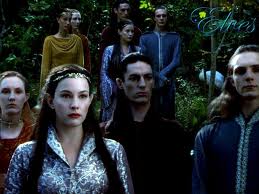
I have mentioned in past posts that I am seeking to differentiate my novel from other epic fantasy series. I am being continually told by those insiders that every descent agent and publisher has five hundred manuscripts on their groaning desks about swords and quests and good .v. evil. Apparently these agents groan whenever an elf is mentioned (especially if s/he is tall, thin, loves nature etc.).

At the Berkeley Writers critique group, visitors often ask: what differentiates this from Lord of the Rings?

All this begs the question: what is the future of epic fantasy?

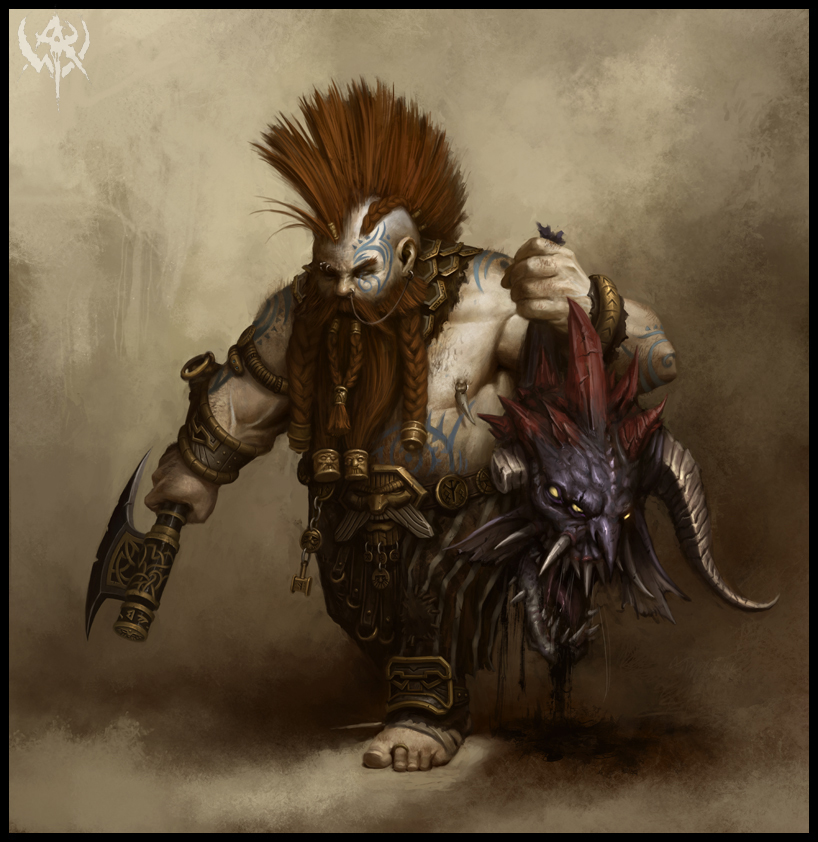
Is it okay to accept that there are certain conventions that are timeless? Are dwarfs small and stout, brave and ready for a rumble? Is it okay that they are miners and love to live underground?

Gimli - plenty of blades, no razor

Here are 10 basic ingredients that need to be questioned:

1) There is the good guy (or gal) and the bad one. The goods is the underdog, the bad is all-powerful, though hopefully will fall in the end.

2) Magic – the hero/heroine has something special about them that gives them a chance to win.

3) There is a teacher who mentors the hero/heroine.

4) The dwarfs are stereotypical – see above.

5) The elves are tall, beautiful, healers, wicked with the bow and arrows and…

6) Romance

7) Everything takes place in New Zealand-type environment.

8) There is a lot of walking about.

9) Swords, bows and arrows, lots of insignificant people dying.

10) Long novels, preferably in series form, with huge potential for movies.

Journeys that never end...

I have mentioned the high-concept challenge in earlier posts. The idea is to have something that is unique, that separates your fantasy novel from the rest. Enter Harry Potter and Hunger Games. 

And yet, we come back for more. A new novel from Terry Brooks or R.A Salvatore has us salivating. Christopher Paolini’s final book of the Inheritance series was eagerly awaited, and we all know when we are going to see the Hobbit movie even if we haven’t booked our summer vacations or filed our taxes.

When I mentioned the higher concept to a woman who has been reading my manuscript, she baulked. As long as there is a strong plot, a few twists, memorable characters, and a high level of writing, she said, a novel will always stand out from the rest.

The question is: Are the essential epic fantasy novel ingredients timeless? When Tolkien first created Middle Earth, did he set in motion a genre that will endure into the 21st Century?
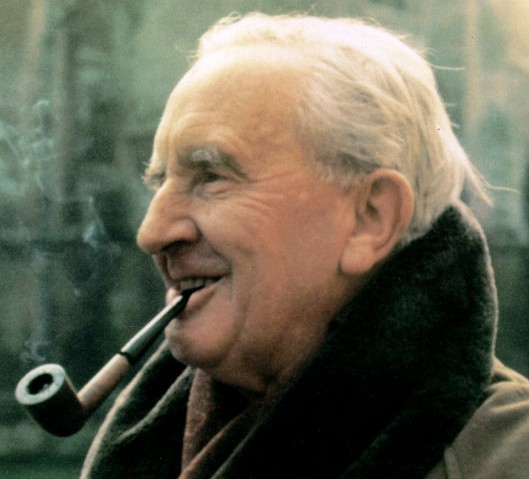
The Master

——————————————————————————————————

Alon Shalev is the author of The Accidental Activist and A Gardener’s Tale. He has written two fantasy novels and the first has been entered into the Amazon Breakthrough Novel Award in January 2012. More on Alon Shalev at http://www.alonshalev.com/and on Twitter (@elfwriter).

Seeking The Higher Concept

J.R.R. Tolkien’s Lord of the Rings set the bar. Everything since has been compared to this masterpiece. I have heard interviews with Terry Brooks and Christopher Paolini where each has had to deal with the comparisons.

Neither seemed particularly happy with the need to defend or compare their works. Each agree that Lord of the Rings (LOTR) stands on the pinnacle of fantasy and will for many years,

This leaves the rest of us wannabe fantasy authors with a dilemma. While my own Alliance series has its own specific aspects, it is inevitably compared to LOTHR. When I introduced my elves to my writer’s group, it is Legalos who comes to mind.

I've never survived a mighty battle with every hair still in place.

It is not only Tolkien of course. My antagonist is the Emperor and immediately someone compared him to Star Wars’ Palpatine, and his right hand man to Darth Vader (even without the mask and asthma).

I recently began to meet with an agent who is coaching me to prepare the first Alliance book to market. When I offered my pitch, he immediately asked what is my higher concept? He knows of Tolkien, Brooks, Salvatore and Paolini: what differentiates Shalev from these masters?

I admit to being stuck. I am reading John Locke’s How I Sold 1 Million Ebooks in 5 Months book and he admits it is much harder to change a book already written to hook your target audience than to begin a novel with the specific demands of your target audience in mind. This is doubly hard for me as I have already written two books in the series and have the third mapped out.

Every time I, or anyone helping me, have an idea, I feel resistant. I have created my world, my characters, my conflict…but I cannot explain its unique or higher concept.  Reluctant hero must learn his magic from a master and overcome the all-powerful evil dude. Sound familiar? There are many ways to make an omelet, many variations of vegetables, spices and cheeses, but all omelets involve eggs.

Need to crack a few eggs!

When someone has already used organic, cage-free, grade A eggs, how do you change the recipe? How do you find a higher concept? Any ideas?

——————————————————————————————————

Alon Shalev is the author of The Accidental Activist and A Gardener’s Tale. He has written two fantasy novels and the first will enter the Amazon Breakthrough Novel Award in January 2012. More on Alon Shalev at http://www.alonshalev.com/and on Twitter (#elfwriter).


Why We Read Fantasy

I admit, it is a stretch to understand why someone would write novels with social injustice themes and run an grassroots political blog would suddenly go off and begin writing YA fantasy, But this I have done and I am trying to understand that there is no dichotomy as long as I enjoy the ride (and, I guess, my readers do).

I have just completed the manuscript for my second fantasy novel. What began a year ago as a way to bond with my oldest son (an avid 12-year-old fantasy reader) has become a whole new experience. I had previously read Tolkien, Paolini and probably a few others, but I never considered this my genre.

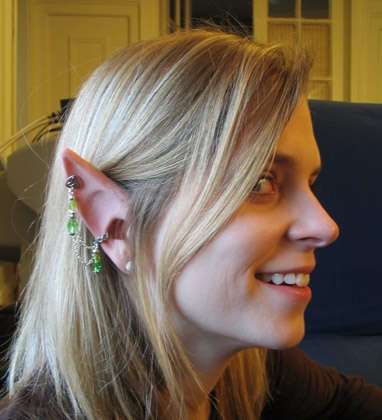
Now, 180,000+ (two books) on, I am avidly reading about fantasy writing techniques, devouring books by authors such as Terry Brooks and R.A. Salvatore, and considering getting my ears pointed (okay – but there really are people who do this cosmetic surgery).

Hey Mom, at least I promised no tatoos!

Whenever I tell people, especially those who know I write political fiction, about my foray into the world of fantasy, I do so in a somewhat apologetic way. Usually, I make sure to tell people that I am doing it for my son, which while true, is only one part as my enthusiasm grows. 

The question that is on my mind these days is why do intelligent, educated adults enjoy plowing through 90,000 word tomes about elves, dwarfs and dragons? Here are some Wiki answers:

“Some fantasy readers are unhappy with their lives and think that they would be happier in another world. A place where someone who is not so successful in this world might be a hero or king in another world.”

Lord of the Rings - No one understood elves like Tolkein.

“I like reading fantasy books because they provide me with a beneficial different point of view on world and everything. I like to think about it using the analogy to house that you may live in but you’ll never be able to understand if you don’t ever get outside and look at it from perspective.”

“You can see a lot of tiny details in fantasy books that you may somehow lose in your everyday life just because they aren’t getting enough your attention… Digest them and they’ll make your life more colorful and interesting.

A lot of fantasy is about the world we would like to see, a dream we want to pursue. Where would we be at if we didn’t dream?”

“Older readers might enjoy Fantasy because of its imaginative scope, and also because of the uncanny ability fantasy has to show us aspects of our own lives in an otherwise far-fetched format. People can relate to the emotions and experiences of fantasy characters, as well as mirror events in human history, through the blurred mirror of the fantasy world.”

“Fantasy is a place to escape when you no longer want to live in real life. Where you can let your imagination run free and have control over what you see and hear.

Many people like to escape the hustle and bustle of real life and be captured by a story which involves something special, unreal or different – possibly magic. People enjoy being in someone else’s shoes – someone extraordinary, so that we can look at the world through anothers eyes. You can switch off and enjoy letting your imagination run wild.”

Do you read fantasy? If so share what the attraction is for you? If you read it once in a period of your life, why then and not now?  Fascinating stuff. This blog is going to be a one-post-a-week (my other blog is daily) and focus on my journey into the world of fantasy.

Hey, want to join the quest? I promise swords, elves, brave exploits, and most of all, friendship.

——————————————————————————————————

Alon Shalev is the author of The Accidental Activist (now available on Kindle) and A Gardener’s Tale. He has written two fantasy novels and the first will enter the Amazon Breakthrough Novel Award in January 2012. More on Alon Shalev at http://www.alonshalev.com/and on Twitter (#elfwriter).